
No products in the cart.
Return To Shop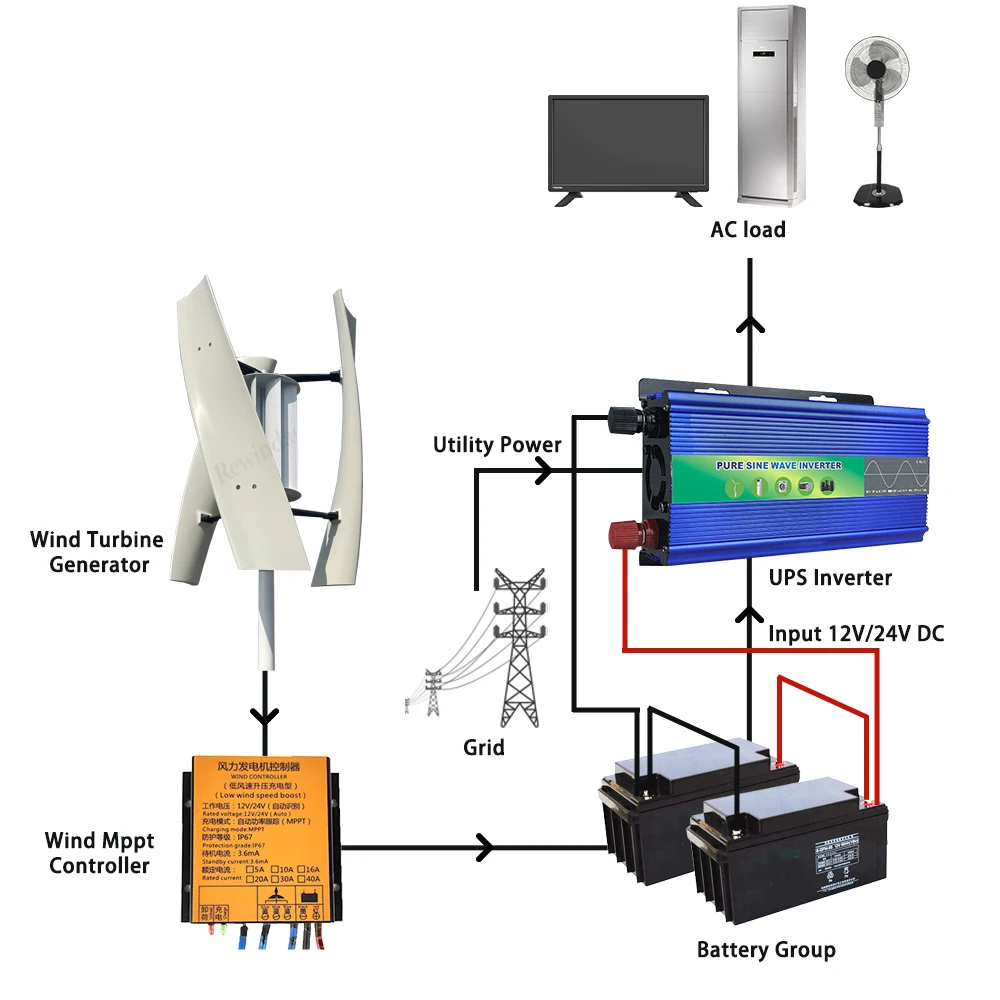
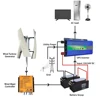
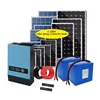
Beyond the Panels: The Essential Components of a Solar System
- Introduction: Use an analogy: solar panels are the star player, but they can’t win alone. Introduce the “supporting team” of components that make the system work safely and efficiently.
- Component 1: The Solar Inverter – The Brain of the Operation:
- Function: Converts DC power from panels to AC power for your home.
- Types: Detailed explanation of:
- String Inverters: Most common, cost-effective (mention brands like Growatt).
- Microinverters: On each panel, optimized for shading.
- Hybrid Inverters: Designed to work with batteries.
- What to look for: Efficiency rating, warranty, monitoring capabilities.
- Component 2: Solar Batteries – Your Energy Reservoir:
- Function: Store excess energy for use at night or during outages.
- Chemistry Types: Explain simply:
- Lead-Acid: Traditional, lower cost, but shorter lifespan.
- Lithium-Ion: Modern, longer lifespan, higher efficiency (the recommended choice).
- Key Specs: Capacity (kWh), Depth of Discharge (DoD), lifespan.
- Component 3: The Charge Controller – The Battery’s Guardian:
- Function: Regulates the voltage and current from the panels to the batteries, preventing overcharging and damage.
- Types: PWM (basic) vs. MPPT (highly efficient, recommended).
- Component 4: Racking/Mounting & Monitoring: Briefly explain the importance of a sturdy mounting system and the benefits of monitoring your energy production in real-time.
- Conclusion: A Symphony of Technology: Emphasize that the synergy between high-quality components is what makes a system reliable and efficient. This is where Eletrolis’s expertise matters.
- Call to Action: “Ensure every component of your system is optimized for performance. Talk to a Eletrolis expert to design a system with perfectly matched components.”


About author

Related posts
Outline: Introduction: Hook the reader by talking about the rising cost of electricity and the desire for energy independence. Introduce solar kits as the all-in-one solution... Continue reading



Add comment
You must be logged in to post a comment.